Fixed Use
It is not taken out and put back in daily by the patient.

DENTACENTER
Learn about fixed titanium bar prostheses supported by implants.
Ti-Bar is one of the fixed implant-supported prosthesis options that can be used for people who have lost all of their teeth. A titanium framework is attached to the implants in the jawbone, and the prosthetic teeth are carried on this structure. The prosthesis is not removed by the patient every day; when necessary, it can be removed by the dentist.
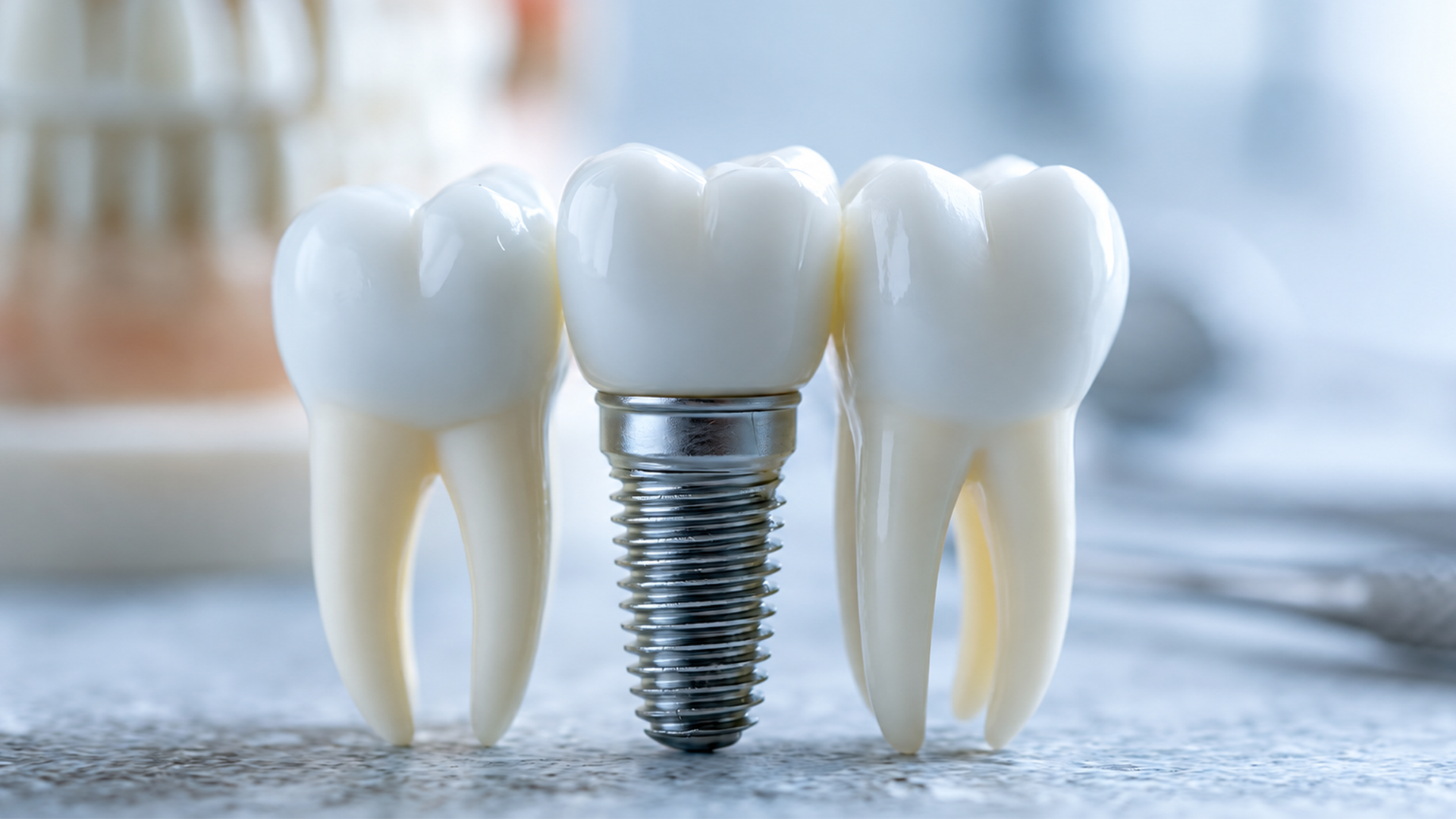
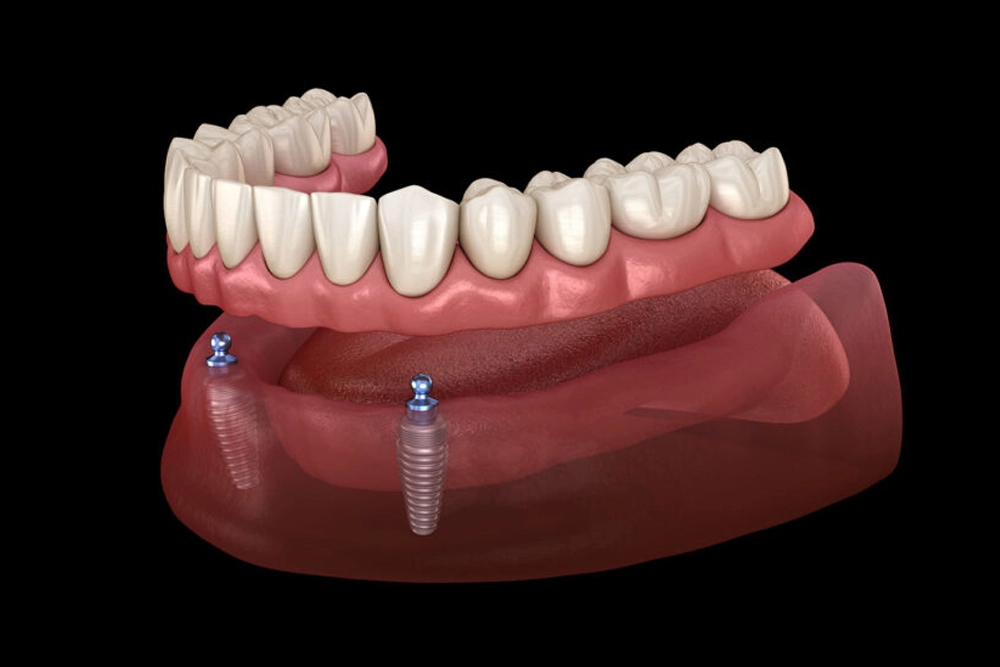
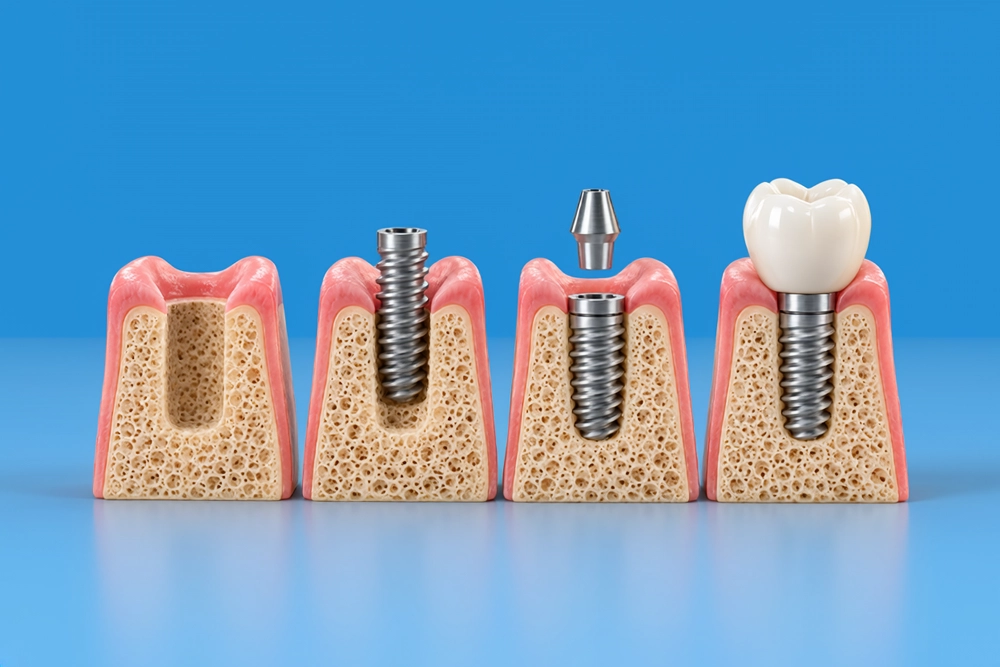
The system consists of three main parts: the implants placed in the jawbone, the titanium bar screwed onto the implants, and the prosthetic teeth that replace the lost teeth. The shape of the bar is custom-made according to the position of the implants and the space available in the mouth. Ti-Bar is not the implant itself; it is the supporting framework of the fixed prosthesis.
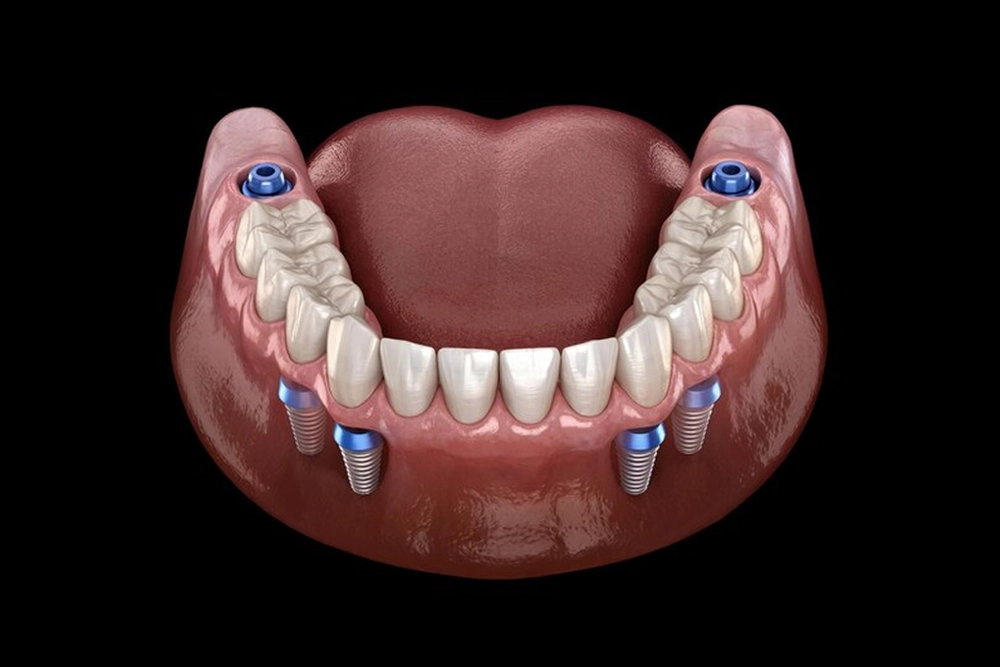
It may be considered especially for people who have lost all the teeth in the upper or lower jaw and for whom an implant-supported fixed prosthesis is planned. It can also be used for people who already have implants, provided that the position and health of the existing implants are suitable.
Suitability is assessed by considering the jawbone, the number and distribution of implants, gum health, the distance between the jaws, general health and the ability to keep the area clean. Ti-Bar is not necessary or suitable for every patient.
It is not taken out and put back in daily by the patient.
The titanium bar is designed according to the structure of the mouth and the position of the implants.
The bar carries the artificial teeth and transfers chewing forces through the implants.
When necessary, the dentist can remove the screw-retained prosthesis for maintenance or repair.
The shape and colour of the teeth can be determined according to the patient’s anatomical conditions.
The total treatment time varies depending on the need for implants, healing and the preparation of the prosthesis.
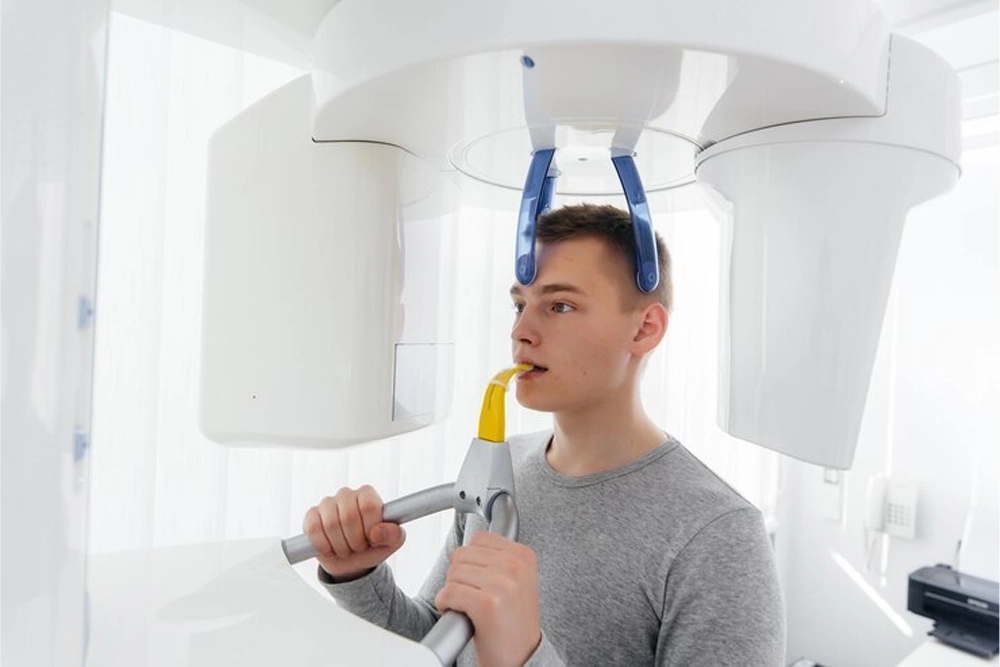
The existing bone, teeth and implants are assessed through an oral examination and the necessary imaging.
Implants are placed if needed. Some patients require a waiting period for the implants to heal.
The implant positions are recorded; the titanium framework is planned and produced according to the structure of the mouth.
The fit of the bar, the position of the teeth, the bite and speech are checked.
The prosthesis is attached to the implants; the patient is informed about cleaning, eating and check-ups.
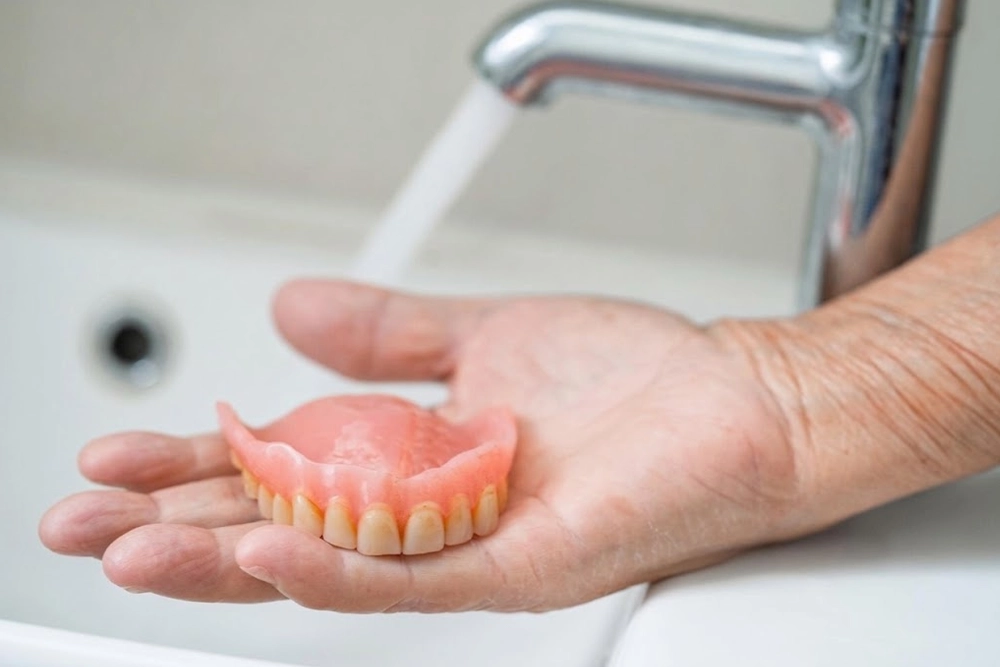
Fixed Ti-Bar prostheses are screwed onto the implants and are not removed by the patient. Removable prostheses, on the other hand, can be taken out by the patient for daily care. Removable prostheses can be made with or without implant support. The conditions of use and cleaning differ between the two methods; the choice is made according to clinical needs.
Even though the prosthesis is fixed, the teeth, the underside of the prosthesis and the area around the implants need to be cleaned regularly. Bacterial plaque that builds up in these areas can cause problems in the tissues around the implants.
Its key features are that it is fixed, can be custom-designed and can be removed by the dentist when necessary. However, it requires implant support and sufficient space for the prosthesis. Cleaning can be difficult, and screw loosening, wear or breakage of prosthetic parts may occur over time. The lifespan of any prosthesis or the outcome of any treatment cannot be guaranteed in advance.
This content is for general information purposes. The diagnosis and treatment plan are determined after an examination by a dentist.
Common questions about the Ti-Bar system.
It is not removed by the patient. The dentist can remove it when maintenance or repair is needed.
There is no single number. The number of implants is determined by the jaw structure and the prosthetic plan.
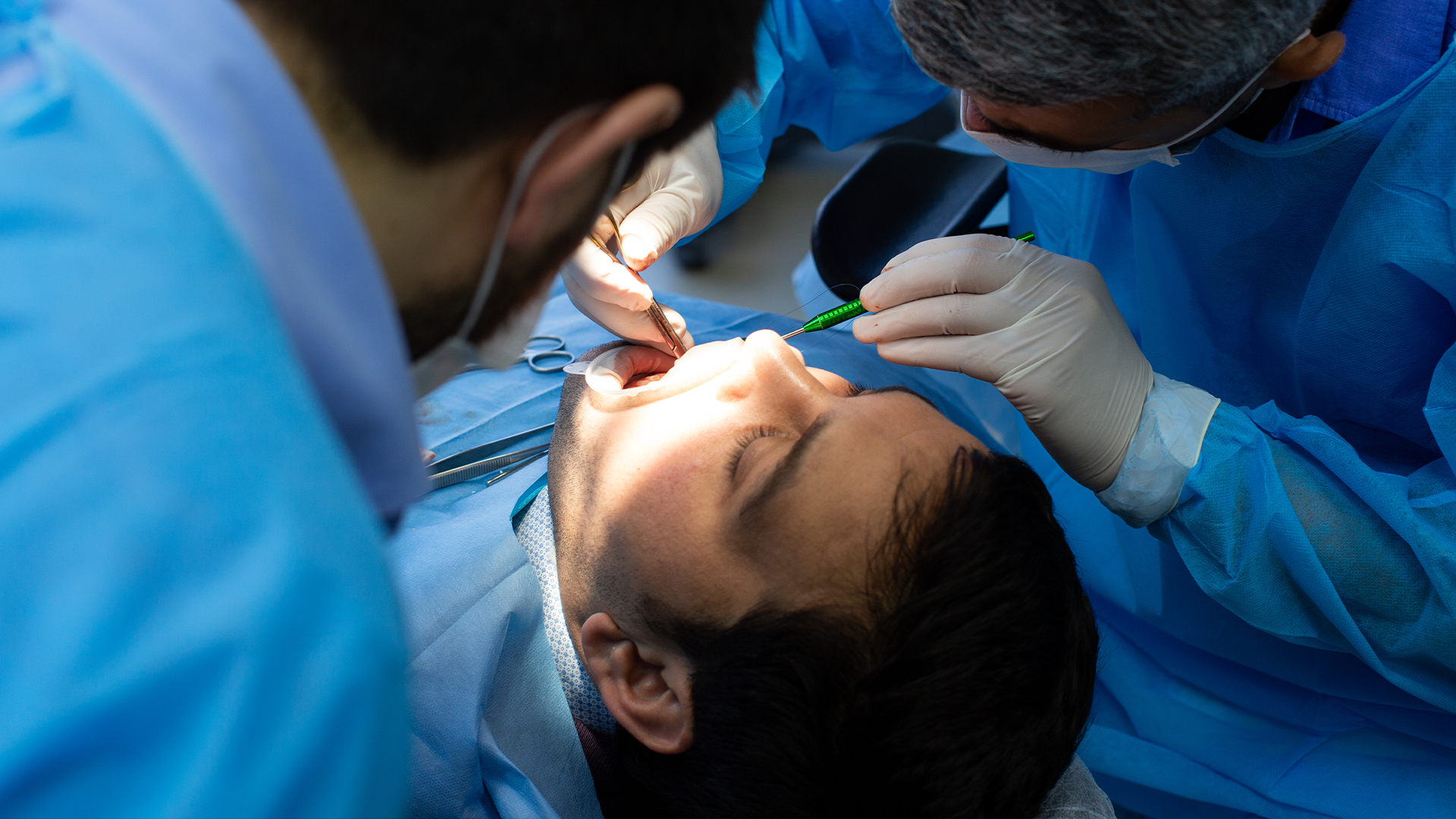
The bar and prosthesis stages are usually not surgical. If new implants are to be placed, a surgical procedure is performed under anaesthesia; temporary sensitivity may follow.
Yes, it is designed for chewing. Which foods can be eaten and when depends on the stage of treatment.
There may be temporary changes in speech while you get used to the new prosthesis. Ongoing problems should be assessed.
Debris can collect in some spaces under the prosthesis. This is why special cleaning methods are important.
No. The fixed prosthesis stays in the mouth at night as well.
An exact period cannot be given. Oral care, implant health, biting forces and check-ups all affect how long it can be used.
Depending on where the damage is, repair or replacement of parts may be possible; sometimes a new prosthesis is needed.
It can be used if the health, position and connection compatibility of the implants are suitable.
The material itself is not a direct cause. Plaque and food debris that build up due to insufficient cleaning can contribute to odour.
The need for implants, the bar design, the prosthetic materials and any additional procedures affect the cost. Personalised planning is required.