
Blog
How Much Do Braces Hurt on a Scale 1-10?
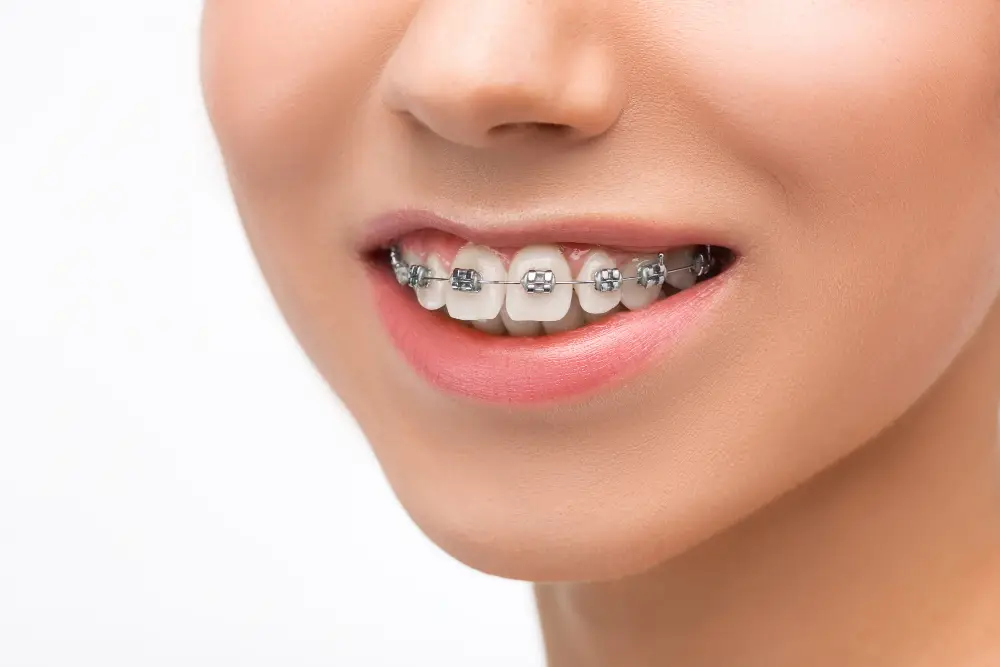
Braces pain cannot be assigned one reliable score from 1 to 10 for everyone. Some people mainly notice pressure or tenderness when biting; others find the first days or an adjustment more uncomfortable. The useful distinction is between discomfort that is settling and pain that is severe, worsening, persistent or associated with a damaged appliance. Your orthodontic team should assess the latter rather than asking you to tolerate a supposed “normal” number.
Why a braces pain score cannot predict your experience
A numerical scale can help you describe your own pain over time. It does not allow someone else's rating to predict how your mouth will feel. People interpret numbers differently, and the same person may rate pain differently when chewing, resting or trying to sleep.
Treatment stage, the adjustment made and individual sensitivity can all affect discomfort. A high score is worth communicating, but a low score does not automatically make a loose component or swollen gum unimportant.
The British Orthodontic Society's patient FAQs describe considerable variation between people. They do not provide a universal score that can be used to promise a particular experience.
Fitting an appliance and moving teeth are different experiences
During fitting, the team positions and attaches the appliance. Keeping the mouth open or having equipment in place can feel unfamiliar. Later, as forces act on the teeth and supporting tissues, aching or tenderness may develop.
This difference helps explain why someone may leave an appointment feeling comfortable and notice soreness afterwards. It also explains why the immediate experience of fitting cannot establish how the following days will feel.
Ask the team what changes are expected after your particular appointment. If something feels wrong during treatment, say so at the time. There is no benefit in withholding discomfort to appear cooperative or to finish the visit faster.
The first days and later adjustments
Tenderness commonly occurs for a few days after braces are fitted and can recur after adjustments. The pattern is not identical at every visit because adjustments serve different purposes. Do not assume that each appointment must be more painful than the previous one.
The NHS braces guidance advises contacting the orthodontist when pain continues beyond a few days after fitting or adjustment. The direction of change also matters: improving soreness differs from pain that is intensifying.
Keep a brief note of when the discomfort began and whether it is present at rest, when biting or where a wire touches. This description is more useful than reporting only a number without context.
Tooth tenderness versus a rubbing bracket or wire
A general ache when biting may feel different from a sharp spot rubbing the cheek or lip. The second problem may be related to contact with the appliance rather than the pressure involved in tooth movement. Different problems need different responses.
Orthodontic wax may temporarily cover a rubbing area when used as instructed. It does not reconnect a broken bracket or correct a displaced wire. NHS Fife's orthodontic advice describes wax as a comfort measure while the problem is assessed.
The guide to dental wax for braces explains its limited role. Do not cut wires, pull components off or alter the appliance yourself unless your treating professional gives specific instructions after assessing the situation.
Eating and cleaning while teeth are tender
Foods that require less force to chew may be more comfortable during a sore period. Choose manageable textures and smaller pieces while continuing to eat a varied diet. Hard, sticky or crunchy foods can also damage parts of a fixed appliance, so follow the advice provided for your brace.
Keep cleaning the teeth and gum margins carefully. Avoiding every tender area can allow plaque to accumulate, which may add gum inflammation to the original discomfort. Ask for a demonstration if the wire or brackets make access difficult.
The American Association of Orthodontists' guide to life during treatment discusses food and hygiene considerations. Cleaning around an appliance may require adapted tools; flossing with braces addresses one part of that routine.
Describing pain so the team can help
When contacting the practice, provide practical details:
- When the appliance was fitted or last adjusted.
- Whether the pain affects one tooth, several teeth or a soft-tissue spot.
- Whether a wire, bracket or other component appears different.
- Whether eating, sleep or normal activities are affected.
- Whether there is swelling, bleeding or another new symptom.
You can add a pain score, but do not rely on it alone. A clear photograph may help the team understand an appliance problem, although it cannot replace every examination.
If you need advice about pain relief, discuss it with your clinician or pharmacist, including your medical history and other medicines. This article does not recommend a medicine or dose for an individual patient.
When discomfort should not be treated as routine
Contact the orthodontic team about persistent or worsening pain, a broken appliance, markedly inflamed gums or a sore area that is not settling. A problem may need attention before the next scheduled adjustment, even if treatment is progressing well overall.
Facial swelling, fever or signs of infection need prompt dental assessment. Difficulty breathing or swallowing is an emergency. The NHS dental abscess guidance distinguishes these serious symptoms from ordinary dental discomfort.
If a component goes missing and there is sudden coughing, choking or breathing difficulty, seek emergency medical help. Do not assume that all symptoms in someone wearing braces come from expected tooth movement.
Frequently Asked Questions
If my braces hardly hurt, are they failing to work?
No. Pain intensity is not a measure of effective tooth movement. Progress is assessed through orthodontic review, not how much discomfort you can feel.
Should every adjustment produce the same level of pain?
No. The purpose and extent of adjustments vary, and so can the response. A change in symptoms should be described to the team if it concerns you.
Can wax remove the aching inside a tooth?
Wax mainly reduces rubbing against soft tissues. It does not treat every cause of tooth pain or repair the appliance.
Conclusion
A 1–10 score can describe your experience, but it cannot define what braces should feel like for everyone. Track the pattern, distinguish rubbing from tooth tenderness and seek advice when pain persists, worsens or comes with other symptoms.