
Blog
Periodontics
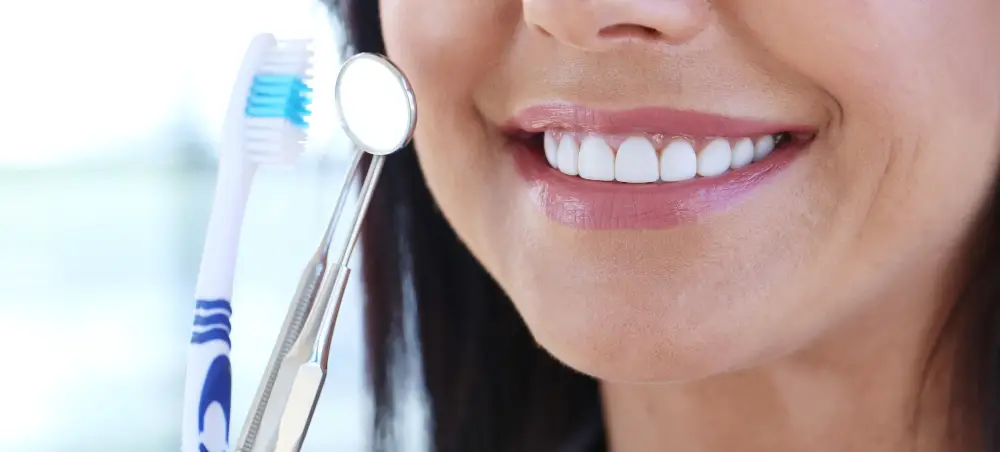
Periodontics is the area of dentistry concerned with the gums and other tissues that support teeth, as well as the health of tissues around dental implants. Care may involve preventing disease, treating inflammation, managing damage to tooth support or addressing selected gum defects. The starting point is a diagnosis, because bleeding, recession and loose teeth do not all mean the same thing.
Periodontal problems can be present without severe pain. A review is therefore useful when gums repeatedly bleed, teeth seem to move or an implant area looks inflamed, even if eating remains comfortable. Treatment is planned around the findings and the person's ability to maintain the result over time.
What periodontics covers
A tooth is supported by more than the visible gum. The surrounding bone and the tissues attaching the root to that bone are also important. Periodontal assessment considers this supporting system rather than looking only at the colour of the gum margin.
The American Academy of Periodontology's patient information describes the periodontist's role in preventing, diagnosing and treating periodontal disease and in implant-related care. A general dentist may manage many gum-health needs and refer for specialist assessment when appropriate. Referral does not automatically mean surgery is necessary.
At a consultation, ask what prompted the referral and what question the specialist is being asked to answer. It might concern disease control, a particular area of recession, a tooth's prognosis or the tissues around an implant. A clear purpose helps you understand the examination and subsequent options.
Gingivitis, periodontitis and recession are different findings
Gingivitis is inflammation of the gums without the loss of tooth support that defines periodontitis. Plaque-related gingivitis can improve when the cause is addressed. Periodontitis involves damage to the supporting tissues and needs a different assessment and longer-term management.
The AAP overview of gum disease explains these categories and the use of staging and grading. Staging describes the severity and complexity of periodontitis; grading helps describe its progression and relevant risk factors. These are clinical assessments, not labels a person can assign from a photograph.
Recession means the gum margin has moved so that more root surface is exposed. It may occur with or without periodontitis. The European Federation of Periodontology's patient FAQs make this distinction. A longer-looking tooth therefore needs assessment of the cause rather than an assumption that all supporting bone has been lost.
What happens during a periodontal examination
The clinician asks about your symptoms, medical history, medicines, tobacco use and previous dental care. They then examine the gums and teeth. A small measuring instrument called a probe is used to assess the spaces around teeth, alongside bleeding, recession and other findings.
Radiographs may be needed to assess supporting bone. Tooth mobility and the way teeth meet can also be relevant. The NIDCR periodontal-disease information describes how examination, history and imaging contribute different information. One measurement alone should not be used by a patient to decide that a tooth must be removed.
Ask the clinician to explain the pattern: is the problem limited to certain sites or more widespread, and is there evidence of previous damage? A record of the initial findings provides a basis for later comparison. Improvement is assessed against that starting point, rather than only by whether the mouth feels cleaner after a visit.
The first treatment steps: daily care and professional cleaning
Initial care commonly includes tailored instruction on plaque control and professional removal of deposits. Cleaning between teeth may require different tools for different spaces. The aim is a method you can use consistently without causing unnecessary trauma, rather than a complicated routine that is difficult to maintain.
For periodontitis, cleaning below the gum margin may be needed. The clinician explains what areas will be treated, how comfort will be managed and whether several visits are appropriate. Tobacco use and diabetes management may also need discussion, with other healthcare professionals involved when relevant.
The EFP treatment guideline for stages I–III periodontitis sets out a stepwise approach. Antibiotics are not a substitute for addressing the deposits and disease process, and they are not routinely needed for every person. Any medicine decision belongs to the treating clinician's assessment.
Why reassessment comes before deciding on surgery
After initial treatment, the clinician reviews how the tissues have responded and whether effective daily cleaning is achievable. Changes in bleeding and pocket measurements help determine what still needs attention. A brief improvement in symptoms is useful but does not provide the whole picture.
If deeper or difficult-to-clean areas remain, further treatment may be considered. Surgery can provide access to root surfaces, reshape selected areas or, in suitable defects, attempt regeneration of supporting tissues. These are different objectives and should be explained separately.
The EFP patient guide to treatment describes reassessment and possible surgical approaches. No procedure can promise that every damaged site will return to its original condition. Ask what change is realistically expected in your case, how it will be measured and what the alternatives would involve.
Recession and gum grafting need their own discussion
Exposed roots may affect appearance, comfort or cleaning. Management begins with understanding why the recession is present and whether it is changing. Not every recession defect requires an operation, and not every graft is performed for the same reason.
A soft-tissue graft may be considered in selected circumstances to improve tissue characteristics or cover an exposed root. Cambridge University Hospitals' gum-grafting information explains the aims of this type of procedure. The amount of coverage achievable depends on the site and its supporting tissues; complete coverage is not guaranteed.
Discuss the main goal in your own terms. If the concern is sensitivity, ask how that will be evaluated. If it is appearance, clarify the likely limit of change. Also ask about donor-site considerations, recovery and how brushing will be managed during healing. A meaningful decision connects the operation to a specific need.
Implants also need periodontal monitoring
An implant does not decay like a natural tooth, but its surrounding tissues can become inflamed. Peri-implant mucositis affects the soft tissue, while peri-implantitis includes loss of supporting bone. These conditions require assessment; bleeding should not be dismissed simply because the restoration is artificial.
The AAP explanation of peri-implant diseases distinguishes these problems and discusses plaque control and risk factors. It does not justify assuming that every inflamed implant needs the same intervention.
Before implant treatment, existing gum disease and the proposed maintenance arrangements should be considered. The dental implant procedure guide places implant surgery within a broader care pathway. If an implant becomes difficult to clean, painful or apparently loose, arrange assessment rather than trying to tighten or adjust the restoration yourself.
Long-term care and signs that need earlier review
Periodontal treatment continues beyond the active cleaning or surgical phase. Supportive care checks disease control, reinforces an effective home routine and addresses new problems. Visit intervals depend on risk and the findings after treatment; they are not identical for every patient.
The EFP guidance on supportive periodontal care describes continuing preventive and therapeutic care to reduce recurrence or progression. The purpose is to maintain stability, not to promise that disease can never return.
Contact the dental team earlier for new swelling, pus, increasing mobility or a substantial change in symptoms. Severe swelling that interferes with breathing or swallowing needs emergency care. Do not wait for a scheduled maintenance visit in that situation. Keep track of changes in general health and medicines as well, because these may affect how your oral care is planned.
Frequently asked questions
Can I have periodontitis without toothache?
Yes. Pain is not a reliable measure of supporting-tissue health. Examination may identify disease before severe symptoms develop.
Does bleeding mean I should stop cleaning between my teeth?
Persistent bleeding should be assessed. The dental team can show an appropriate cleaning method and tool size; abandoning cleaning without addressing the cause is unlikely to solve the problem.
Will every loose tooth need to be removed?
No single symptom determines that decision. The remaining support, disease control, restorability and overall treatment plan must be assessed together.
Is gum treatment finished when the bleeding improves?
Improvement is encouraging, but reassessment is needed to check the full response and agree on continuing care. Symptoms alone cannot confirm that every affected site is stable.
Conclusion
Periodontics focuses on the tissues that keep teeth and implants supported. Its value lies in a clear diagnosis, treatment matched to the findings and continuing care that can be adapted as health and circumstances change.