
Blog
Teeth Contouring
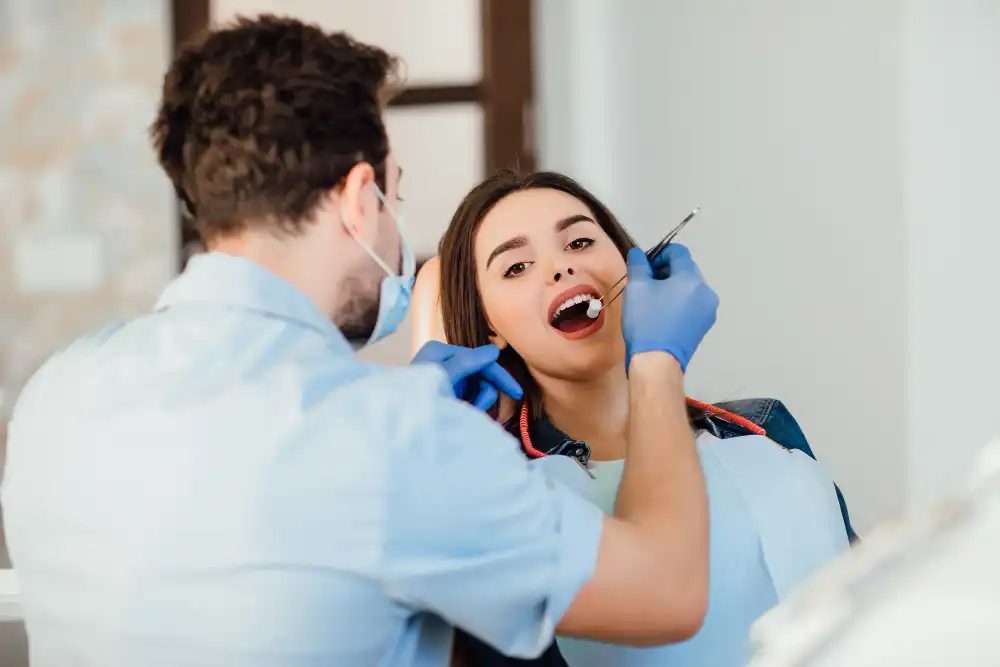
Teeth contouring is a procedure in which a dentist removes a small amount of enamel to alter a tooth's outline. It may be considered for limited shape irregularities, but it cannot straighten the roots, replace missing tooth structure or correct every uneven smile. Because removed enamel does not grow back, suitability and the amount of change must be assessed before treatment. Filing teeth at home can cause permanent damage.
What teeth contouring changes
Contouring, also called enameloplasty or odontoplasty, changes the outer shape of a tooth by controlled removal and finishing. The treatment is subtractive: it takes tissue away. This distinguishes it from bonding, which adds restorative material, and orthodontics, which moves teeth.
The Cleveland Clinic description of enameloplasty explains its limited role and warns against self-filing. A small visible adjustment still needs an assessment of enamel and function. “Minor” describes the intended extent, not permission to perform the procedure without dental training.
Which concerns may fit a limited approach?
A small uneven edge or a minor outline difference may be suitable for discussion. However, similar-looking concerns can have different causes. A tooth may appear longer because of gum position, another tooth's wear or the way the teeth meet, rather than because its own edge should be shortened.
An assessment should identify the cause before changing the shape. If the problem is tooth position, removing enamel may camouflage part of the appearance without addressing the position or bite. If the tooth is broken or decayed, the priority is diagnosis and an appropriate repair.
Ask what improvement is realistically possible within the available enamel. An acceptable answer may be that contouring would provide too little benefit or remove too much tissue. Leaving a healthy tooth unchanged is an option.
Why enamel thickness and the bite matter
Enamel is the hard outer covering of the tooth crown. Beneath it is dentin, which can become sensitive when exposed. Excessive removal can weaken the tooth or lead to persistent sensitivity, so the available tissue sets limits on the planned shape.
The teeth also work together. Changing an edge may alter how it contacts the opposing tooth during biting or jaw movement. The dentist therefore considers function as well as a front-view photograph. A symmetrical-looking outline is not the only measure of an appropriate result.
Existing wear, cracks, fillings and tooth grinding can change the decision. A plan that ignores the source of repeated wear may leave the tooth vulnerable even if the initial appearance improves.
How assessment and treatment are approached
The consultation starts with the concern you want to address and an examination of the tooth and surrounding structures. The clinician may use records or imaging when indicated. The intended change and its limits should be explained before any enamel is removed.
When contouring is appropriate, the dentist uses controlled instruments and finishes the surface. Bite contacts are checked as needed. Do not assume that a treatment can be reversed simply because it is completed in one appointment or involves only a small area.
Ask how the proposed result will be judged and what happens if the remaining difference still bothers you. This helps avoid repeated adjustments driven by a moving cosmetic target rather than an agreed, limited plan.
Alternatives: adding material or moving the teeth
Bonding may be considered when adding shape is more appropriate than removing it. Veneers cover part of a tooth, while crowns cover more of the tooth and have different indications. These procedures also bring maintenance requirements and, depending on the method, irreversible changes.
The ADA information on veneers describes assessment, alternatives and the need for continuing care. A more extensive covering should not be the automatic next step when contouring is unsuitable.
Orthodontic treatment may be relevant when the main issue is alignment or the bite. For an explanation of how adding material differs from reshaping enamel, see composite veneers. Comparing the purpose of each option is more useful than comparing procedure names alone.
Risks, sensitivity and care afterwards
Sensitivity, an unsatisfactory shape or a change in the bite are concerns to discuss. Removing too much tissue can create lasting problems. No clinician can determine safe removal from a social media photograph without a proper assessment.
Continue normal protective care: gentle brushing with fluoride toothpaste, cleaning between teeth and avoiding use of teeth as tools. Do not keep filing an edge that feels unfamiliar. Report persistent temperature sensitivity, a rough area or an uncomfortable bite so the cause can be checked.
The ADA sensitive-teeth guidance explains why several conditions can produce similar sensations. New sensitivity after a procedure should be interpreted in context rather than treated as proof of either success or irreversible harm.
Why do-it-yourself filing is unsafe
Household files and abrasive tools do not provide a way to measure enamel thickness or protect the bite. A tooth can look almost unchanged while a meaningful amount of protective tissue has been lost. You may also create an edge that is difficult to restore.
If a tooth has chipped, do not reshape the remaining tooth to make it look even. The NHS information on chipped or cracked teeth describes assessment and possible repair. Keeping a broken fragment and contacting a dentist may preserve options that self-filing would remove.
Frequently asked questions
Can contouring fix crowded teeth?
It does not move teeth or their roots. Limited changes in outline are different from correcting crowding, which requires its own assessment.
Is it the same as removing enamel between teeth for braces?
They both involve enamel, but interproximal reduction is a measured part of some orthodontic plans. It has a different purpose and should not be improvised as cosmetic filing.
Does the enamel return later?
No. Removed enamel does not regenerate. This makes the amount and location of removal important before treatment starts.
Can a chipped edge always be smoothed?
No. The depth of the damage, symptoms and bite determine whether smoothing, bonding or another treatment is appropriate.
Keeping the aim limited and clear
Teeth contouring can address selected small shape concerns when sufficient healthy enamel and a suitable bite are present. A useful plan explains what will change, what will remain and why that amount of irreversible treatment is justified.