
Blog
What to Eat After Wisdom Teeth Removal
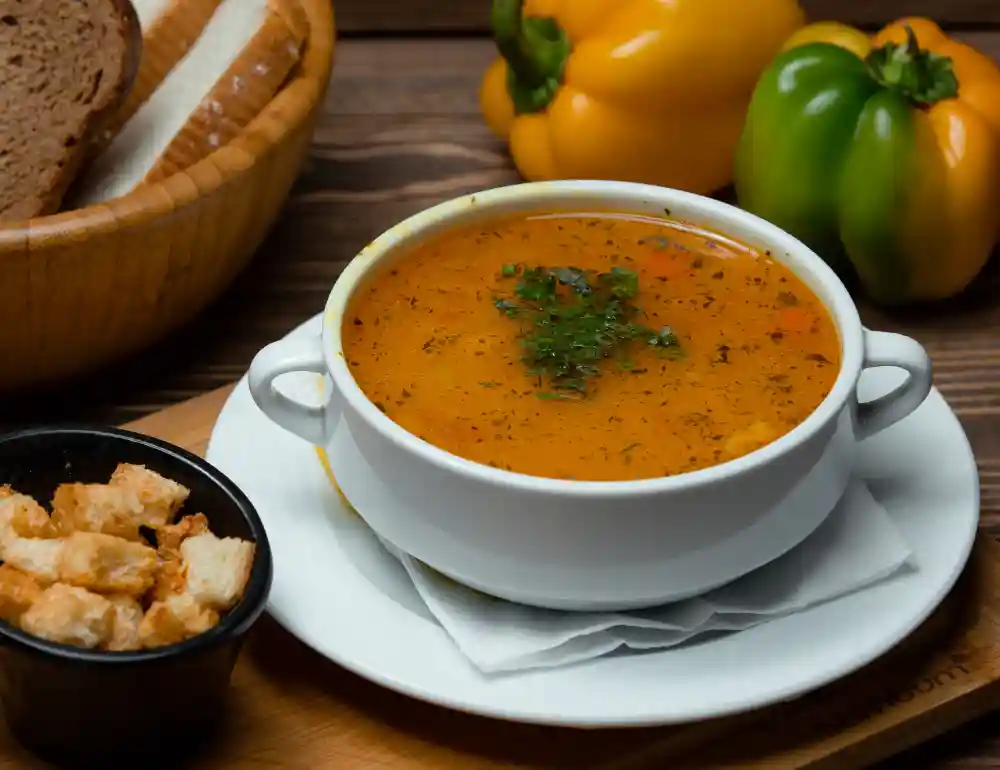
What to eat after wisdom teeth removal depends on how numb your mouth is, how comfortably you can swallow and chew, and the instructions for your operation. Soft, easy-to-eat foods at a comfortable temperature are usually helpful at first. Gradually return to more texture as comfort improves, without forcing food against the surgical sites. There is no single menu or fixed day on which every patient must resume a normal diet.
The first meal: numbness and temperature come first
Before eating, follow the discharge instructions about when it is appropriate to start. Local anaesthetic can leave the tongue, lip or cheek numb, making accidental biting and burns easier to miss. Sedation or general anaesthesia can add separate requirements for supervision and recovery.
Avoid very hot food or drinks while sensation is reduced. Choose small amounts that can be managed without forceful chewing. The UCLH extraction aftercare guide explains these early precautions and recommends soft food during the initial recovery period.
If swallowing is difficult rather than merely uncomfortable, do not keep trying different foods as the only response. Contact the treating team; breathing or marked swallowing difficulty needs urgent medical attention.
What to eat after wisdom teeth removal during early recovery
The useful feature is texture, not a particular “healing food.” Smooth yoghurt, soft eggs, well-cooked pasta, mashed vegetables or suitably prepared soup may be easier to manage. Let hot dishes cool and adapt them to your dietary needs and allergies.
Food should not require crushing a hard surface or pulling a sticky piece away from the teeth. A dish that is soft overall can still contain hard crusts, seeds or crunchy toppings. Remove those components rather than assuming that the name of the dish makes it suitable.
The NHS wisdom tooth guidance recommends soft or liquid food until chewing becomes more comfortable and avoiding hard foods or particles that can lodge in the wound.
Building meals beyond ice cream and pudding
A soft diet does not have to consist only of sweet desserts. Include a range of foods that provide energy and protein while fitting the texture you can tolerate. Soft eggs, smooth bean purée, yoghurt or tender fish can be options according to your usual diet and medical needs.
Mashed or well-cooked vegetables can add variety. If a meal is dry or difficult to move around the mouth, an appropriate smooth sauce may make it easier to eat. Keep portions manageable and allow more time rather than trying to finish quickly.
These are practical meal examples, not a prescription for a special surgical diet. People with diabetes, swallowing disorders, food allergies, kidney disease or other dietary restrictions should adapt the choices with their treating team. Recovery advice should not override an established medical nutrition plan.
Drinks, hydration and protecting the surgical site
Regular small drinks can be easier than a large amount at once. Water is a straightforward option unless you have been advised to restrict fluids. Very hot, acidic or otherwise irritating drinks may be uncomfortable. Alcohol can conflict with recovery instructions and prescribed medicines, so follow the team's advice.
Protect the blood clot and avoid vigorous rinsing or repeated spitting in the early period. Drinking and mouth cleaning are different activities: do not swish every mouthful strongly around the socket. Use the method and timing of rinsing provided by the surgical team.
If you cannot drink enough, are repeatedly vomiting or feel increasingly weak, seek advice. Inability to maintain hydration is a reason to reassess the recovery plan rather than simply extending a liquid-only diet.
When to introduce more texture
Use comfort and function as a guide alongside your instructions. Start with small portions and a texture that does not cause pulling or sharp pain. If only one side was treated, the team may advise chewing away from that area; if both sides were treated, the plan may need more adaptation.
Jaw stiffness can make large bites difficult. Cut food into smaller pieces instead of forcing the mouth open. There is no requirement to “exercise” the socket by eating harder food. Likewise, staying on liquids longer than necessary does not guarantee better healing.
The pace should reflect what was actually done. An uncomplicated extraction and a more extensive surgical removal can have different recovery needs. For the broader timing question, see when you can eat after tooth extraction.
Cleaning after meals without disturbing the wound
Food residue can be uncomfortable, but poking the socket with a toothpick, fingernail or other object can cause injury. Follow the cleaning method demonstrated for your procedure. Do not introduce a syringe or water flosser into the wound unless your team has specifically instructed you how and when to use it.
Continue care for the other teeth while protecting the surgical site. The exact timing for restarting cleaning and rinsing should come from the discharge instructions. Surgical techniques and individual circumstances can lead to different advice, so a generic internet schedule should not replace it.
If something feels stuck and gentle, instructed care does not resolve it, ask the team. A white or pale area is not necessarily trapped food; healing tissue should not be scraped away.
Food problems that may signal a complication
Increasing pain after an initial improvement, worsening swelling, fever, unpleasant discharge or bleeding that does not settle should be reported. A painful socket may make eating difficult, but changing to softer food alone does not treat its cause.
Numbness that persists beyond the expected anaesthetic effect also deserves discussion, particularly when it affects the lip, chin or tongue. Tell the clinician which area is affected and whether the sensation is changing.
Emergency help is needed for rapidly increasing swelling with breathing or swallowing difficulty. For other concerns, use the contact details supplied at discharge. Having those details available is as useful as planning the first few meals.
Frequently asked questions
Can I eat rice immediately after surgery?
Small grains can collect around a healing site. Whether and when they are suitable depends on the procedure and your ability to eat and clean comfortably. Smoother alternatives may be easier initially.
Is ice cream necessary for healing?
No. It is one possible soft food, not a treatment. A varied selection adapted to your needs is more useful than relying on one sweet food.
Can I drink coffee?
Temperature and the surgical team's instructions matter. Avoid very hot drinks, especially while numb, and consider whether coffee irritates the area or conflicts with other advice you were given.
What if I cannot return to my usual food after several days?
Some recovery takes longer, but persistent or worsening difficulty should be discussed with the team. Pain, jaw stiffness and the condition of the wound may need assessment.
Eating comfortably while healing
Begin with manageable texture and temperature, maintain fluid intake and increase variety as your mouth allows. Protecting the wound and recognising a change in symptoms matter more than following a rigid food calendar. The instructions for your own operation remain the reference point.