
Blog
How Does a Dental Cleaning Take?
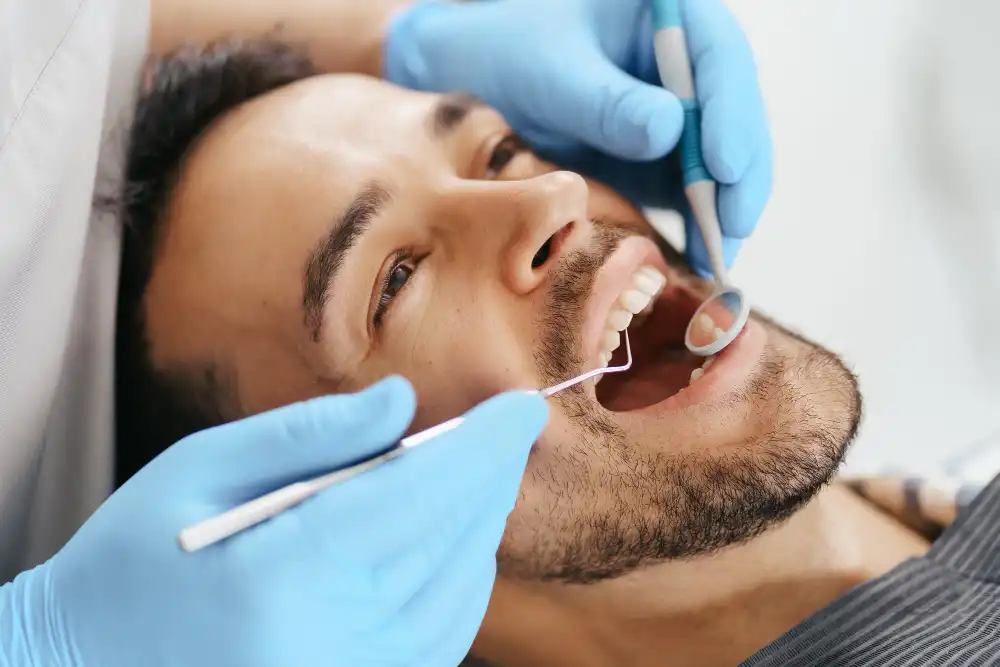
A dental cleaning has no single duration that applies to every patient. The time needed depends on the deposits present, the condition of the gums, the areas being treated and whether the visit includes assessment or other care. A straightforward professional clean and treatment beneath the gums for periodontitis are different appointments. Ask what your booked visit covers before using a general time estimate to plan the rest of your day.
Why dental cleaning time varies
Two people can have the same number of teeth and need quite different appointments. The amount and location of calculus, sensitivity, access around restorations and the need for breaks all affect the work involved. Time may also be needed to discuss medical history and demonstrate home care.
A longer visit does not automatically indicate worse care, and a short one does not establish that the mouth has been thoroughly treated. The more useful question is whether the planned areas and clinical objectives have been addressed.
The SDCEP periodontitis guidance links appointment length and number to disease extent, deposits and individual circumstances. A universal minute count would conceal these differences.
Assessment comes before choosing the type of clean
The clinician needs to understand the condition of the gums and supporting tissues. This may involve checking bleeding, measuring around teeth and reviewing relevant dental or medical history. Imaging is selected when it is needed to answer a clinical question, rather than automatically added to every clean.
Tell the team about sensitivity, bleeding, loose teeth, medicines and any previous difficulty with treatment. A concern such as “one area always hurts when I floss” can help identify where closer assessment is needed.
The NIDCR overview of gum disease explains the role of assessment in distinguishing inflammation from loss of supporting tissues. Removing visible stain alone does not establish that a deeper problem has been managed.
What happens during removal of deposits?
Professional cleaning removes deposits that cannot all be managed with a toothbrush at home. Depending on the findings, the clinician may use hand instruments, powered instruments or a combination. Water, suction and pauses can be part of the experience.
You may notice vibration, pressure or sensitivity. Tell the clinician if a particular area is uncomfortable so the approach can be adjusted. There is no need to remain silent to avoid slowing the appointment.
The process should be explained in relation to your own mouth: which deposits are being removed, where access is difficult and whether further treatment will be needed. A visual impression of smooth, bright front teeth is not a substitute for that explanation.
Why treatment below the gums may need separate visits
Periodontitis affects the tissues supporting teeth. Cleaning affected root surfaces beneath the gum margin is more involved than removing a small amount of visible deposit. Local anaesthesia may be considered, and treatment may be organised across more than one visit.
The Kent Community Health description of professional mechanical plaque removal describes one service's approach to this treatment. Its local appointment arrangement should not be treated as a required schedule for every patient or clinic.
The response also needs reassessment. Treatment is not judged solely by how the teeth feel immediately afterwards. The separate periodontics guide explains why continuing plaque control and review remain important after the initial work.
Polishing, stain removal and whitening have different aims
Polishing may be used to address selected surface deposits or stains, depending on clinical need. It does not mean that every tooth must receive every polishing method at every visit. The choice should account for tooth surfaces, restorations and sensitivity.
Removing an external stain can change how a tooth looks without changing its underlying colour. Chemical whitening is a different treatment and requires its own assessment. A cleaning appointment should not be described as a guaranteed whitening session.
The ADA explanation of tooth whitening distinguishes stain removal from bleaching. If your concern is appearance, explain whether you have noticed a new local mark, a general colour change or surface staining; these are not interchangeable findings.
What you might notice afterwards
Some people experience temporary tenderness or sensitivity, particularly after more extensive treatment. As swollen gums improve, spaces or root surfaces may become more noticeable. This should be explained in the context of the starting condition rather than automatically described as damage caused by cleaning.
Follow the instructions suited to the procedure you received. If local anaesthesia was used, ask when and how to resume eating without injuring numb tissues. A simple clean and more extensive periodontal treatment may require different advice.
Persistent or worsening pain, significant swelling or bleeding that does not settle needs dental advice. A clinician should also assess a newly loose tooth. Expected recovery information should never become a reason to ignore a concerning change.
Home care and the next review
Professional treatment and home cleaning work together. Ask for a practical demonstration of the areas you find difficult, including how to reach around a bridge or implant restoration. The appropriate tool can differ from one space to another.
The guide to proxy brushes describes brush sizing; not every gap can accommodate the same brush. Record the recommended products and technique while the explanation is fresh.
Review intervals should reflect individual risk and treatment response. NICE guidance on dental recall supports an individual assessment rather than a single interval for everyone. A routine examination interval is also not necessarily the same as the schedule for active gum treatment.
Frequently Asked Questions
Can I assume the whole appointment is cleaning time?
No. It may include history-taking, examination, treatment discussion and home-care instruction. Ask the practice what the booking includes.
Will all gum treatment be finished in one visit?
Not necessarily. Disease extent, comfort and the planned treatment determine the number of visits, followed by assessment of the response.
Does cleaning replace daily flossing or interdental brushing?
No. Plaque continues to accumulate after an appointment. A manageable home routine is part of maintaining the result.
Conclusion
The useful answer to “how long?” starts with “what treatment is needed?” Clarifying the type of cleaning, its scope and the review plan gives a more reliable expectation than a fixed duration for every mouth.